
Most patients need approximately 20 to 40 physical therapy sessions after ACL surgery, though the exact number depends on factors like age, activity level, recovery goals, and overall progress. Some people may require fewer visits, while athletes and highly active individuals often need additional therapy before safely returning to sports.
Physical therapy is one of the most important parts of ACL recovery. While surgery repairs the ligament, rehabilitation helps restore strength, mobility, balance, and confidence in the knee so you can safely return to everyday activities and exercise.
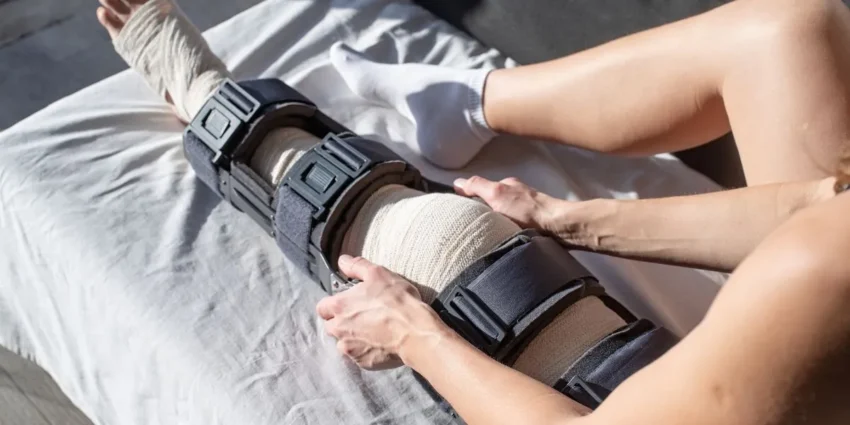
Why Physical Therapy Is Important After ACL Surgery
After ACL surgery, it’s normal to experience swelling, muscle weakness, stiffness, and reduced range of motion. Physical therapy helps address these issues while gradually rebuilding strength and stability throughout the recovery process.
A structured rehabilitation program is designed to help the knee function properly again while reducing the risk of future injury. Similar recovery principles are used for other significant knee injuries, including ACL MCL and meniscus injury, where restoring strength and stability is essential for long-term function.
How Often Will You Attend Physical Therapy?
The frequency of physical therapy usually changes as recovery progresses. Early on, patients often attend therapy multiple times per week to focus on reducing swelling, improving mobility, and regaining basic movement.
Many rehabilitation plans follow a schedule similar to:
- Weeks 1–6: 2–3 sessions per week
- Weeks 6–12: 1–2 sessions per week
- Months 3–6+: Frequency varies based on progress and activity goals
As strength improves, therapy often shifts toward more advanced exercises and functional movement training.
What Does That Mean in Total Visits?
Although every recovery is different, many patients complete between 20 and 40 physical therapy sessions after ACL surgery.
Some individuals recover more quickly and transition to an independent exercise program sooner. Others benefit from continued supervision to improve strength, balance, and movement quality before returning to physically demanding activities.
Who May Need More Physical Therapy Sessions?
Not every ACL recovery follows the same timeline. Some patients progress quickly, while others require additional therapy to safely regain strength and function.
You may need more sessions if you:
- Are returning to competitive sports
- Had additional injuries repaired during surgery
- Experience ongoing stiffness or swelling
- Struggle to regain strength and balance
- Miss portions of your rehabilitation program
Patients recovering from multiple knee injuries may also have a longer rehabilitation timeline than someone recovering from an isolated ACL reconstruction, similar to the differences discussed in meniscus vs ACL tear.
How Do You Know You’re Making Progress?
Recovery is not measured by the number of therapy visits alone. Instead, physical therapists track important milestones throughout the rehabilitation process.
These milestones often include improved range of motion, reduced swelling, increased strength, better balance, and greater confidence with daily activities. Patients may also notice less discomfort during walking, stair climbing, and exercise. Ongoing symptoms such as pain when straightening the knee should be discussed with a healthcare professional during recovery.
According to the American Academy of Orthopaedic Surgeons (AAOS), ACL rehabilitation commonly lasts six months or longer, depending on individual goals and progress.
Getting the Most Out of Physical Therapy
There is no universal number of physical therapy sessions after ACL surgery, but most patients benefit from several months of rehabilitation and approximately 20 to 40 visits. The exact number depends on your goals, overall health, and how the knee responds to treatment.
Attending therapy consistently and following your home exercise program can make a significant difference in your recovery. If you’re preparing for or recovering from ACL surgery, you can schedule an evaluation to discuss a rehabilitation plan that fits your needs.