
Lower back pain after squats is a common issue for people who lift weights, train for sports, or stay active. While mild muscle soreness can occur with training, ongoing or sharp pain in the lower back often signals that something in your movement, strength, or load management needs attention.
At Innovative Healthcare Centers, we help active individuals address lower back pain related to squatting by identifying the cause of discomfort and restoring safe, efficient movement.
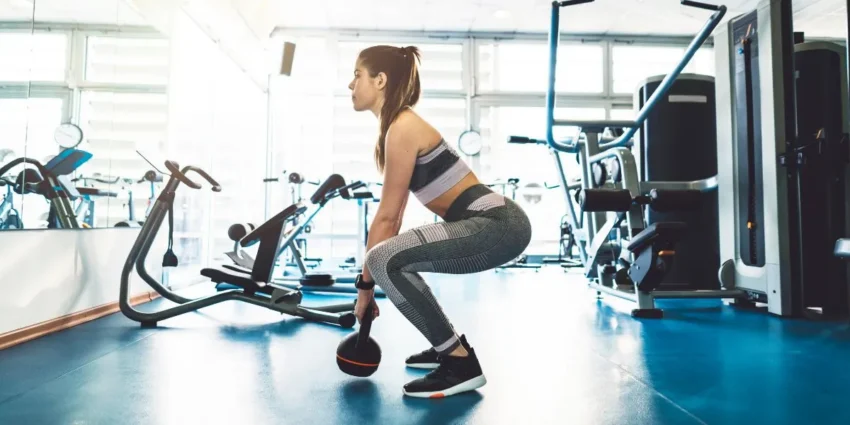
Why Lower Back Pain Occurs During Squats
Squats place high demands on the hips, core, and spine. When these systems are not working together efficiently, the lower back often compensates and becomes overloaded.
Common contributors include poor squat mechanics, limited hip or ankle mobility, weak core engagement, and lifting more weight than the body can control. Similar patterns are often seen in people experiencing lower back pain when deadlifting, especially when fatigue affects form.
Movement and Technique Factors That Contribute to Pain
Small technique issues can create significant strain over time. Excessive forward lean, rounding through the lower back, or losing control at the bottom of the squat increases pressure on spinal structures.
Depth is another important factor. Squatting deeper than your available mobility allows can force the lower back to move excessively, particularly when hip motion is limited. This often overlaps with issues discussed in lower back pain when squatting during exercise or daily movement.
The Role of Core and Hip Strength
A stable, well-coordinated core helps protect the spine during loaded movements like squats. When core engagement is insufficient, the lower back is forced to stabilize weight it is not designed to handle alone.
Hip strength is equally important. Weak glutes or poor hip control often cause the lower back to take over during the ascent, increasing discomfort and injury risk. Tight hamstrings can further limit hip motion, a relationship explained in why tight hamstrings cause lower back pain.
When Lower Back Pain After Squats Needs Treatment
Lower back pain related to squatting should be evaluated if it:
- Persists beyond a short recovery period
- Feels sharp or worsens with movement
- Radiates into the hips or legs
- Limits training or daily activities
These symptoms may indicate more than simple soreness and benefit from professional assessment.
Our Approach to Treating Lower Back Pain After Squats
Effective treatment focuses on identifying why your lower back is being stressed during squats. At Innovative Healthcare Centers, we evaluate movement patterns, strength, mobility, and load tolerance to pinpoint contributing factors.
Treatment plans may include targeted exercises, hands-on care, and movement retraining designed to reduce strain on the lower back and improve squat mechanics. This approach aligns with how physical therapy in Maryland is delivered across our locations.
Return to Squats With Confidence
Lower back pain after squats does not mean you need to stop training altogether. With the right evaluation and treatment approach, many people are able to return to squatting safely and comfortably.
At Innovative Healthcare Centers, we help patients address the underlying causes of lower back pain during exercise and build a plan that supports long-term performance and recovery. If lower back pain is interfering with your workouts, contact Innovative Healthcare Centers to schedule an evaluation and get personalized guidance.