
If you’ve been told you might have a “meniscus sprain,” you’re not alone — and you’re not wrong to be confused. Many people hear this term after a knee injury, even though it’s not always medically precise. Understanding the difference between a meniscus sprain vs tear can help you make sense of your diagnosis, symptoms, and treatment options.
This guide explains what people usually mean by a meniscus sprain, how it differs from a tear, and when professional care is important.
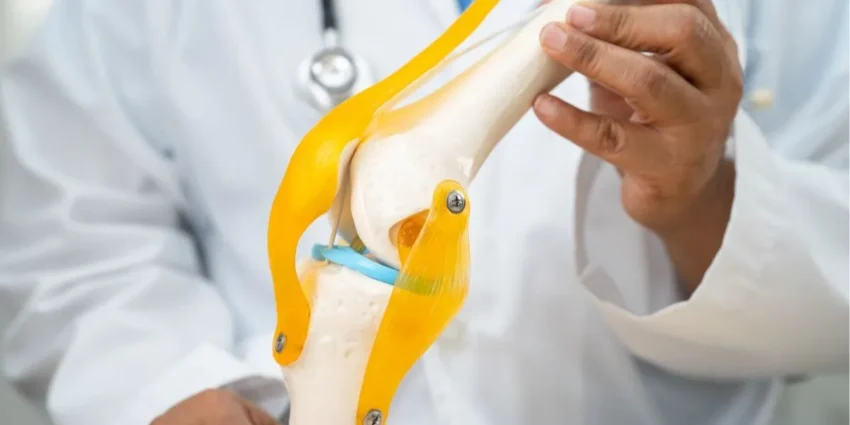
Is a Meniscus Sprain a Real Diagnosis?
Technically, no — the meniscus cannot be sprained in the same way a ligament can.
A sprain refers to an injury of a ligament, which connects bone to bone. The meniscus, however, is cartilage, not a ligament. Medical references such as MedlinePlus explain that cartilage injuries behave differently from ligament sprains and are classified separately.
When people use the term meniscus sprain, they are often referring to:
- A small or stable meniscus tear
- Meniscal irritation or inflammation
- Knee pain without imaging confirmation
This terminology confusion is common, especially early after injury.
What Happens to the Meniscus During Injury?
The meniscus plays a critical role in absorbing shock, distributing load across the knee, and supporting joint stability. Unlike ligaments, cartilage does not stretch — it tears.
According to Cleveland Clinic, meniscus tears range from minor fraying to larger tears that disrupt normal knee movement. Small tears may cause irritation without obvious mechanical symptoms, which is why they’re often described as a “sprain.”
Meniscus Sprain vs Tear: How Symptoms Usually Differ
Symptoms Often Labeled as a “Meniscus Sprain”
These typically suggest mild or early injury:
- Dull or aching knee pain
- Mild swelling
- Discomfort with twisting or squatting
- Pain that improves with rest
- No locking or catching
Symptoms like these may resemble overuse or minor knee injuries, particularly when discomfort occurs during movements such as straightening the knee.
Symptoms More Consistent With a Meniscus Tear
These signs suggest structural cartilage damage:
- Sharp pain along the joint line
- Swelling that worsens after activity
- Clicking, catching, or locking
- Difficulty fully bending or straightening the knee
- Pain with pivoting or deep squatting
Orthopedic guidance from OrthoInfo (AAOS) notes that mechanical symptoms are a key indicator that a true tear is present rather than simple irritation.
Why Meniscus Sprains Are Often Misdiagnosed
Early after injury, swelling and muscle guarding can mask the true source of pain. Without imaging or a detailed exam, meniscus injuries may be grouped under broad knee diagnoses.
This is similar to the confusion many people experience when comparing injuries like a sprain vs strain, where symptoms overlap but the tissues involved are very different.
Because of this, people sometimes continue activity assuming the injury is minor, which can worsen an underlying tear.
How Meniscus Injuries Are Properly Diagnosed
Diagnosis begins with a detailed history and physical exam focused on pain location, swelling, range of motion, and mechanical symptoms.
When symptoms persist or locking is present, imaging such as MRI may be recommended. Clinical guidance from the National Library of Medicine explains that imaging helps distinguish between minor cartilage irritation and more significant tears that require targeted treatment.
Early diagnosis helps prevent compensatory movement patterns and secondary issues, including knee and ankle pain in the same leg.
Treatment Options for Mild vs More Severe Meniscus Injuries
When Conservative Care Is Enough
Many small or stable meniscus tears respond well to non-surgical care, including activity modification, swelling management, and physical therapy. This approach mirrors strategies used in non-surgical knee pain treatment in Maryland.
When a Tear Needs Closer Attention
More significant tears may require advanced care if they cause persistent locking, recurrent swelling, or difficulty with daily activities. Even in these cases, physical therapy is often the first step and remains essential before and after any surgical treatment.
How Physical Therapy Helps Meniscus Injuries
Physical therapy focuses on restoring normal knee movement while protecting injured cartilage.
At Innovative Healthcare Centers, therapy may include improving knee range of motion, strengthening the quadriceps and hamstrings, correcting movement patterns that overload the knee, and reducing pain and swelling. Addressing contributing factors is especially important since tight hamstrings causing knee pain can increase stress on the meniscus.
Recovery Expectations
Recovery depends on tear size, location, activity level, and consistency with rehabilitation. Mild injuries may improve within weeks, while larger tears take longer.
Returning to activity too quickly increases the risk of worsening symptoms or developing secondary pain, including sharp pain in the knee.
When to Seek Professional Care
You should seek evaluation if:
- Knee pain lasts more than a few days
- Swelling keeps returning
- You feel locking or catching
- The knee feels unstable
Early care improves outcomes and reduces the risk of long-term knee problems.
Get Help for Meniscus-Related Knee Pain
If you’ve been told you have a meniscus sprain or aren’t sure whether your symptoms point to a meniscus tear, the team at Innovative Healthcare Centers can help clarify the diagnosis and guide your recovery.
If knee pain is interfering with your daily life, contact Innovative Healthcare Centers today to schedule an evaluation and get expert care.