
Physical therapy can be an effective treatment for knee pain after running by addressing the underlying causes of discomfort, improving movement patterns, and helping prevent future injuries. Whether the pain is caused by overuse, muscle imbalances, training errors, or joint irritation, physical therapy can help runners return to activity safely.
Knee pain is one of the most common complaints among runners. While some soreness may improve with rest, persistent pain often indicates an issue that should be evaluated and treated before it worsens.
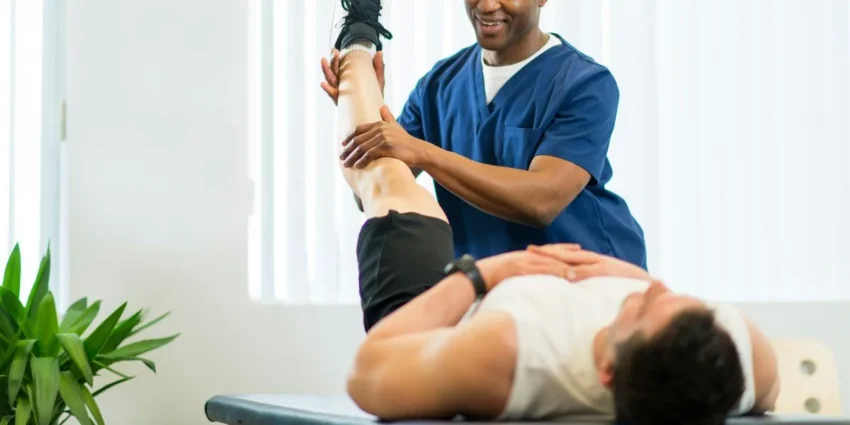
What Causes Knee Pain After Running?
Several factors can contribute to knee pain during or after a run. In many cases, the problem is not the knee itself but how the body moves and absorbs force.
Common causes include:
- Overuse from increased training volume
- Muscle weakness or imbalance
- Poor running mechanics
- Limited mobility in the hips or ankles
- Inadequate recovery between runs
These issues can place additional stress on the knee joint and surrounding tissues, leading to irritation and discomfort over time.
How Physical Therapy Helps
Physical therapy focuses on identifying the root cause of knee pain rather than simply treating symptoms. A physical therapist can evaluate strength, flexibility, balance, and movement patterns to determine what may be contributing to the problem.
Treatment often includes targeted exercises to improve strength and stability, particularly in the hips, core, and lower extremities. Similar movement-related issues are often discussed in knee pain going down stairs, where biomechanics can play a significant role in symptoms.
What to Expect During Treatment
A physical therapy program for runners is typically customized based on symptoms, activity level, and running goals. Early treatment may focus on reducing pain and improving mobility before progressing to strengthening and movement training.
As recovery progresses, therapists often address running mechanics and gradually reintroduce activity. The goal is to improve function while reducing stress on the knee during future runs.
Signs You May Benefit from Physical Therapy
While occasional soreness after exercise is common, certain symptoms may indicate a need for professional evaluation.
You may benefit from physical therapy if you experience:
- Pain that returns every time you run
- Swelling around the knee
- Difficulty running longer distances
- Pain during daily activities such as walking or climbing stairs
- Symptoms that continue despite rest
Persistent symptoms may also overlap with other knee pain patterns, including sharp pain in knee solutions, which is why a thorough evaluation is important.
How Long Does Recovery Take?
Recovery time depends on the cause and severity of the problem. Some runners improve within a few weeks, while others may require several months of rehabilitation to fully address underlying movement issues and return to their desired activity level.
According to the American Physical Therapy Association (APTA), physical therapy can help reduce pain, improve function, and address the contributing factors that often lead to running-related knee injuries.
Getting Back to Running
The goal of physical therapy is not only to reduce pain but also to help runners return to activity with greater confidence and a lower risk of reinjury. Addressing strength deficits, mobility limitations, and movement patterns can help support long-term knee health.
If knee pain is affecting your ability to run or stay active, you can learn more about related symptoms such as ankle pain from running or schedule an evaluation to determine the cause and develop a treatment plan that fits your goals.