
Not all knee pain in runners is the same — and treating the wrong condition can make symptoms worse. Two of the most commonly confused causes of running-related knee pain are runner’s knee and a meniscus tear. While both can limit performance and cause discomfort during or after runs, they affect different structures in the knee and behave very differently over time.
Many runners initially assume their pain is simple overuse, especially if it starts gradually. However, knee pain that persists, worsens with activity, or begins to affect everyday movements may point to a deeper issue, similar to what’s discussed in cases of knee pain from driving where sustained knee positioning and load aggravate underlying problems. Understanding the difference between runner’s knee vs meniscus tear can help you avoid unnecessary rest, prevent worsening injury, and return to running safely.
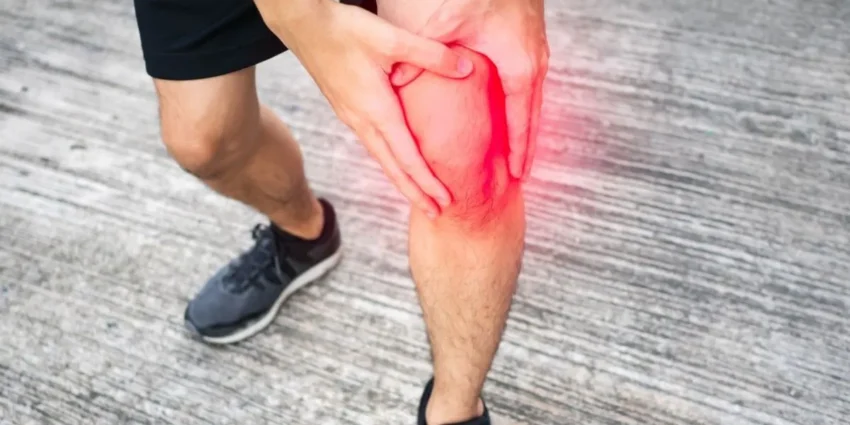
Start With This Question: How Did the Pain Begin?
One of the most reliable ways to tell these conditions apart is by looking at how the pain started.
- Pain that develops gradually over weeks and worsens with mileage is more consistent with runner’s knee
- Pain that appears suddenly after a twist, pivot, or awkward step may point toward a meniscus tear
Sudden onset or mechanical pain should always be taken seriously, especially if it changes how you move while running.
What Runner’s Knee Really Is
Runner’s knee is a broad term commonly used to describe patellofemoral pain syndrome (PFPS). It refers to pain around or behind the kneecap caused by repetitive stress, poor tracking, or muscle imbalances — not cartilage damage.
According to Stanford Health Care, PFPS is a load-management and movement-related condition rather than a structural injury.
Common Runner’s Knee Signs
- Dull or aching pain around the kneecap
- Pain during or after runs
- Discomfort when running downhill, downstairs, or sitting for long periods
- Little to no swelling
- Pain improves with rest but returns with activity
Runner’s knee is often linked to training volume, cadence, hip strength, and biomechanics rather than a single injury event.
What a Meniscus Tear Feels Like
A meniscus tear involves damage to the cartilage that cushions and stabilizes the knee joint. Unlike runner’s knee, this is a structural injury.
Sports medicine specialists note that meniscus tears often produce localized joint-line pain and mechanical symptoms, especially during twisting or deep bending movements, as explained by SportsMedToday (AMSSM).
Common Meniscus Tear Signs
- Sharp or localized pain along the joint line
- Swelling that appears hours after activity
- Clicking, catching, or locking sensations
- Pain with squatting, pivoting, or deep knee bending
- Knee stiffness or reduced range of motion
Meniscus pain tends to feel more specific and unpredictable than runner’s knee pain.
Runner’s Knee vs Meniscus Tear: How the Pain Behaves
Instead of focusing only on pain intensity, runners should pay attention to how the knee behaves during movement. Runner’s knee pain usually builds gradually, feels more diffuse, and worsens with repetition. It tends to be consistent and predictable based on load.
Meniscus tears often cause pain that feels sharp, inconsistent, or triggered by specific motions. Mechanical symptoms such as catching or locking are not typical of runner’s knee and often suggest cartilage involvement.
Swelling Patterns Matter
Swelling can provide an important clue when comparing these conditions. Runner’s knee rarely causes noticeable swelling, even after longer runs. When swelling does occur, it is usually mild and short-lived.
Meniscus tears are more likely to cause swelling that appears after activity and lingers. If your knee repeatedly swells after runs — especially without a significant increase in mileage — cartilage injury should be evaluated.
Why Runners Often Misread the Injury
Runners are used to pushing through discomfort, which makes it easy to assume all knee pain is training-related. However, ignoring sudden changes in pain quality or mechanical symptoms can allow a meniscus tear to worsen.
Pain that begins to alter movement patterns or affect nearby joints — such as contributing to combined hip, knee, and ankle pain — often signals compensation rather than simple overuse.
How These Conditions Are Evaluated
Diagnosis starts with a movement-based evaluation rather than imaging alone. A clinician will assess running mechanics, hip and knee strength, pain location, swelling response, and range of motion.
Imaging may be considered when mechanical symptoms or persistent swelling are present. Clinical resources such as Physiopedia emphasize that movement assessment is key in differentiating overuse conditions from structural injuries.
Treatment Differences That Matter
Treating Runner’s Knee
Runner’s knee typically improves with:
- Load and mileage adjustments
- Strengthening of the hips and quadriceps
- Gait and movement correction
- A gradual return-to-run plan
Rest alone rarely fixes the issue without addressing mechanics.
Treating a Meniscus Tear
Meniscus treatment depends on how the tear behaves:
- Stable tears may improve with guided rehabilitation
- Unstable tears require closer monitoring
The goal is to restore function while protecting the cartilage from further damage.
Can You Keep Running?
- Runner’s knee: Often manageable with modifications
- Meniscus tear: Depends on symptoms
Running through locking, catching, or swelling increases the risk of worsening a meniscus injury and should be avoided.
Get Help for Running-Related Knee Pain
If you’re unsure whether your symptoms point to runner’s knee or a meniscus tear, the team at Innovative Healthcare Centers can help determine the cause and build a plan that supports your running goals.If knee pain is interfering with your training, contact Innovative Healthcare Centers to schedule an evaluation and get expert guidance.