A sprained finger occurs when the ligaments—the connective tissues that stabilize the joints—are stretched or torn due to sudden force, hyperextension, or impact. It’s common in sports or falls where the finger bends too far backward. Though often confused with a fracture, a sprain affects soft tissue rather than bone, yet it can still lead to pain, swelling, and reduced movement.
This type of ligament injury most often impacts the proximal interphalangeal (PIP) joint but may also involve the distal (DIP) or metacarpophalangeal (MCP) joints. Without proper treatment, these injuries can cause chronic stiffness or instability. Seeking early rehabilitation, such as physical therapy in Maryland, helps restore motion and prevent long-term damage. You can learn more about soft-tissue healing from the AAOS overview of sprains and strains and the Mayo Clinic’s guide to joint injuries.
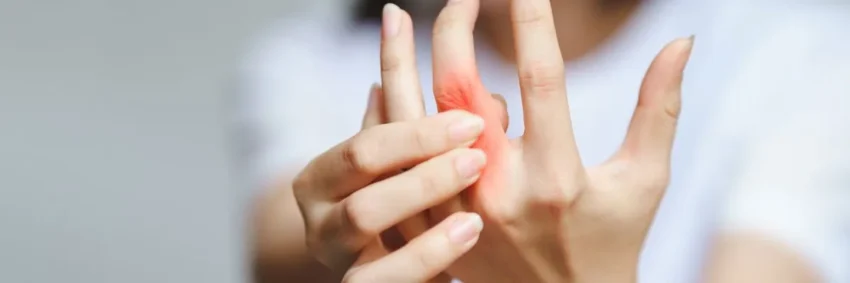
Common Sprained Finger Symptoms
The most frequent sprained finger symptoms include pain and tenderness around the injured joint, followed by swelling and bruising within hours. Many patients describe the finger as feeling tight or throbbing, especially when attempting to bend or straighten it. These symptoms make gripping objects or performing daily tasks difficult.
As the injury develops, stiffness and weak grip strength can appear due to inflammation around the ligament. In some cases, patients notice a popping or snapping sound at the moment of injury. If these symptoms persist for more than two days, Innovative Healthcare Centers offers advanced diagnostic imaging such as Musculoskeletal Ultrasound (MSKUS) to assess ligament tears and swelling. You can also explore the Cleveland Clinic’s jammed finger resource for a deeper look at typical symptoms and recovery timelines.
How to Tell a Sprain from a Fracture or Dislocation
Because sprains, fractures, and dislocations often look alike, knowing their differences is crucial. A sprain usually presents with moderate pain and swelling but allows for some movement, while a fracture causes sharp, localized pain and may result in a visibly crooked finger. A dislocation often prevents all motion and may cause numbness if nerves are affected.
If your finger looks misaligned or you can’t bend it, visit urgent care in Damascus, MD for immediate evaluation. Early diagnosis ensures proper alignment and prevents chronic joint instability. For additional clarity, the American Academy of Physician’s overview of finger injuries explains how specialists differentiate between fractures, sprains, and dislocations during examination. You can also review knee and ankle pain in the same leg to see how connected joint function plays a role in proper recovery.
Grading Severity of a Sprained Finger
Sprains are categorized by the degree of ligament damage: mild (Grade I), moderate (Grade II), or severe (Grade III). A Grade I sprain involves light stretching and mild discomfort but maintains normal mobility. A Grade II sprain features partial tearing of the ligament, moderate pain, swelling, and difficulty bending the joint. The most serious, Grade III sprains, cause complete tearing, leading to instability, weakness, and significant swelling.
To identify your injury’s severity, Innovative Healthcare Centers offers thorough evaluations and screenings to assess motion, swelling, and ligament strength. Severe cases may require hand therapy or rehabilitation to restore full function.
When to See a Clinician
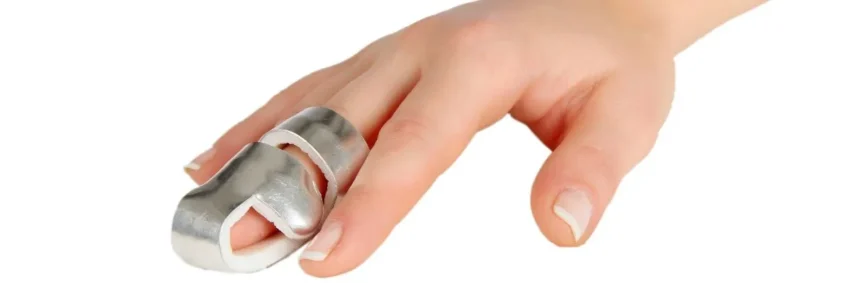
A sprained finger might seem minor at first, but it can easily worsen without the right care. If pain, swelling, or stiffness lasts more than 48 hours, or if you notice bruising, deformity, or trouble gripping objects, it’s time for a professional evaluation. Innovative Healthcare Centers offers thorough assessments to detect ligament damage early and prevent chronic instability.
Seek immediate medical attention if your finger appears crooked or you cannot move it. Quick imaging at urgent care in Damascus, MD can confirm whether it’s a sprain, fracture, or dislocation. The Cleveland Clinic’s guide to finger sprains explains that early diagnosis is key to faster recovery and preventing long-term complications.
Immediate Self-Care After Injury
When the injury first occurs, focus on controlling swelling and protecting the joint. The R.I.C.E. method—Rest, Ice, Compression, and Elevation—remains the best approach in the first 24 to 48 hours. Apply ice for 10–15 minutes several times a day and wrap the finger gently for support. The Mayo Clinic’s pain management guide offers insight on safe use of NSAIDs like ibuprofen to manage pain and inflammation.
If your finger feels unstable, buddy taping—binding it to a neighboring finger—can help protect it while ligaments heal. Those who play sports or use their hands heavily can learn similar recovery strategies from R.I.C.E. exercises for elbow pain, which outlines gentle strengthening routines that can also apply to hand and finger rehabilitation.
What to Expect During Recovery
Recovery time depends on the grade of the sprain and how quickly treatment begins. Mild sprains often heal within one to two weeks, while moderate sprains may take three to six weeks. Severe ligament tears may require up to eight weeks and sometimes splinting or hand therapy.
If progress stalls or stiffness remains, a Functional Movement Screen can pinpoint biomechanical issues contributing to the injury. Early guided therapy ensures full strength and range of motion return safely. For a deeper look at recovery expectations, the Cleveland Clinic’s guide to hand biomechanics explains how small joints and tendons interact during healing.
Role of Hand Therapy & Physical Treatment
Once pain and swelling ease, hand therapy and physical treatment become key to restoring mobility and grip strength. At Innovative Healthcare Centers, licensed therapists design personalized programs to rebuild ligament strength and prevent stiffness. Treatment may include gentle range-of-motion exercises, grip work, and coordination training to improve control. The Cleveland Clinic’s hand therapy guide also highlights how early, guided movement speeds recovery and reduces scar tissue.
To track healing accurately, providers may use Musculoskeletal Ultrasound (MSKUS) for real-time insight into ligament repair. For remote patients, Telehealth Physical Therapy offers the same expert care from home. The Johns Hopkins Medicine overview of hand therapy explains how tailored rehab reduces pain and improves long-term finger strength and function.

Call to Action
Don’t let finger stiffness or weak grip strength slow your recovery. Whether you’re an athlete, musician, or simply managing everyday tasks, the experts at Innovative Healthcare Centers can help you heal faster and stronger. Schedule an in-person or virtual appointment through Physical Therapy in Maryland or find a nearby clinic on our Locations page.
You can also request a Complimentary Screening to discuss your symptoms, identify underlying causes, and begin a personalized rehabilitation plan today. Take control of your recovery—your hands deserve expert care that restores comfort, motion, and confidence.