
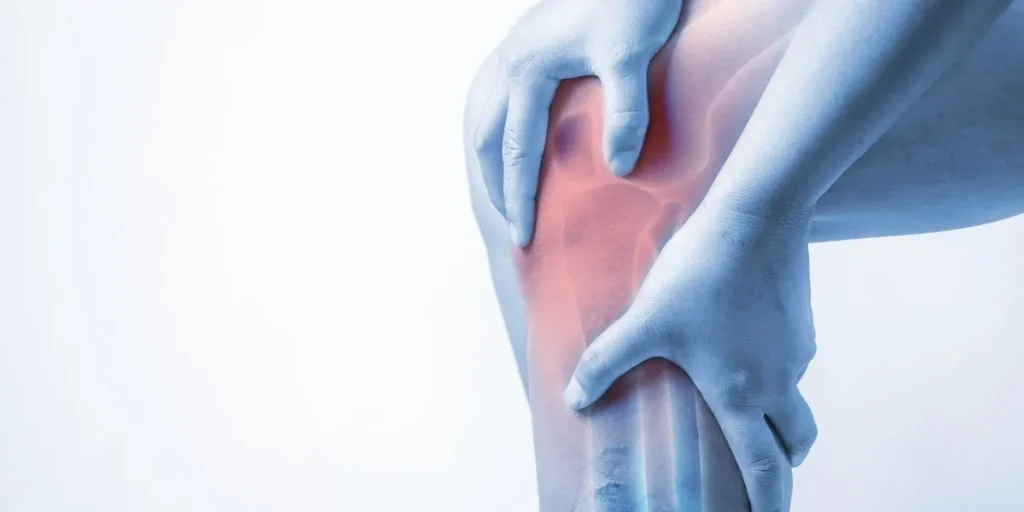
Nerve pain after knee replacement surgery is a common part of the recovery process for many patients. Symptoms like burning pain, tingling, numbness, or electric shock sensations around the knee often occur as nerves heal after surgery. While this discomfort can feel concerning, most cases improve within several months with proper rehabilitation and movement. At Innovative Healthcare Centers, we help patients throughout Maryland recover safely with personalized physical therapy programs designed to reduce pain, improve mobility, and restore confidence after knee replacement surgery.
What Causes Nerve Pain After Knee Replacement?
Nerve pain after knee replacement surgery is usually caused by irritation, inflammation, or temporary disruption of the nerves surrounding the knee during the healing process. During surgery, nearby nerves can become stretched, compressed, or irritated as the joint is repaired and surrounding tissues are moved. In the weeks following surgery, swelling and inflammation around the knee may place additional pressure on sensitive nerves, leading to symptoms such as burning pain, tingling, numbness, or sharp shooting sensations.
As the body heals, nerves begin to regenerate and adapt, which can also create temporary discomfort or heightened sensitivity around the incision and knee joint. Many patients notice these symptoms during walking, bending the knee, sleeping, or standing for long periods. In most cases, this nerve-related discomfort gradually improves as swelling decreases and mobility returns.
In some situations, persistent inflammation or prolonged nerve compression may contribute to chronic neuropathic pain. While long-term nerve pain after knee replacement is less common, patients experiencing ongoing symptoms may benefit from targeted physical therapy and rehabilitation to improve strength, mobility, circulation, and overall recovery. At Innovative Healthcare Centers, we help patients throughout Maryland recover safely with personalized treatment plans designed to reduce pain and restore movement after knee replacement surgery.
How Long Does Nerve Pain Last After Knee Replacement?
Nerve pain after knee replacement surgery typically improves gradually as swelling decreases and the surrounding nerves heal. For many patients, symptoms such as burning pain, tingling, numbness, or sharp shooting sensations begin to lessen within several weeks and continue improving over the next 2 to 6 months. Recovery timelines can vary depending on factors such as the surgical technique used, the amount of postoperative inflammation, overall health, and commitment to rehabilitation.
Physical therapy often plays an important role in reducing nerve-related discomfort by improving circulation, restoring mobility, strengthening the muscles around the knee, and decreasing stiffness that may place pressure on sensitive nerves. Patients who remain consistent with movement and rehabilitation exercises often experience smoother recoveries and better long-term outcomes.
While mild nerve symptoms are common during healing, persistent pain lasting beyond several months may require additional evaluation and targeted rehabilitation. At Innovative Healthcare Centers, we help patients throughout Maryland recover safely with personalized physical therapy programs designed to reduce pain, restore mobility, and improve confidence after knee replacement surgery.
Effective Treatments for Nerve Pain After Knee Replacement
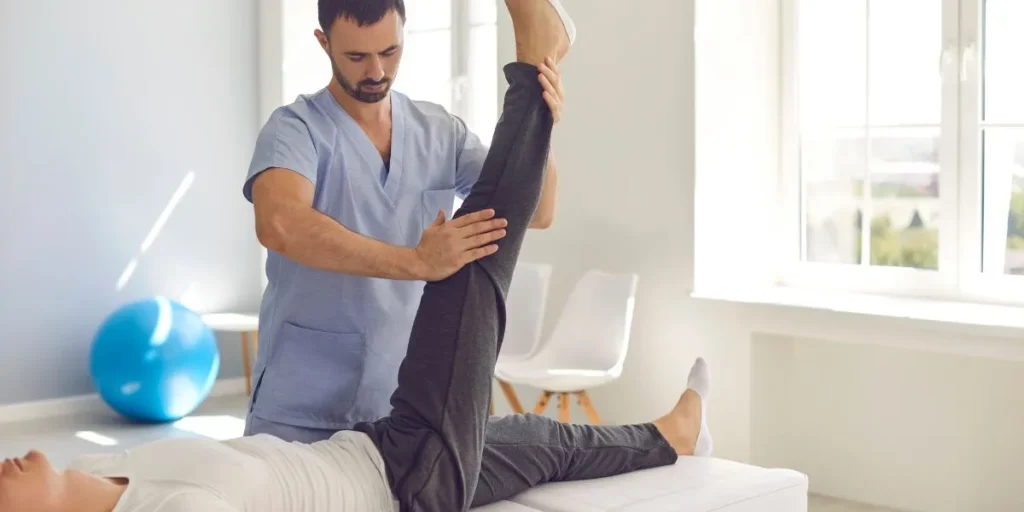
Addressing nerve pain after knee replacement is essential for a smooth recovery. Treatment often requires a combination of approaches, including medications, physical therapy, and alternative therapies. Each of these strategies plays a unique role in reducing discomfort, improving mobility, and supporting nerve regeneration. At Innovative Healthcare Centers, we focus on creating personalized solutions to ensure the best possible outcomes for our patients.
Medications for Nerve Pain Relief
Medications provide an effective way to manage postoperative nerve pain. Depending on the severity, these include:
- Over-the-Counter Pain Relievers:
- Ibuprofen and naproxen: Reduce inflammation and mild pain.
- Acetaminophen: Provides general pain relief but does not target inflammation.
- Prescription Medications:
- Gabapentin and pregabalin: Calm overactive nerve activity, addressing nerve-specific pain.
- Corticosteroids: Decrease inflammation and swelling that may compress nerves.
- Topical Solutions:
- Lidocaine patches: Offer localized pain relief.
- Capsaicin creams: Reduce nerve-related discomfort through repeated application.
Physical Therapy and Rehabilitation
Physical therapy is a cornerstone of recovery, helping patients regain strength and mobility while reducing nerve pain. Some key benefits and exercises include:
- Benefits of Physical Therapy:
- Strengthens muscles around the knee, improving joint stability.
- Enhances flexibility and range of motion.
- Promotes nerve regeneration and circulation.
- Recommended Exercises:
- Straight Leg Raises: Build quadriceps strength without straining the knee.
- Hamstring Stretches: Relieve tension in the back of the leg.
- Ankle Pumps: Boost circulation and reduce swelling.
Alternative Therapies for Nerve Pain
Alternative therapies work alongside medications and physical therapy to provide additional relief. Popular options include:
- Heat and Cold Therapy:
- Cold Therapy: Reduces swelling and numbs pain.
- Heat Therapy: Improves blood flow and relaxes muscles.
- Transcutaneous Electrical Nerve Stimulation (TENS):
- A device that delivers low-voltage electrical currents to the affected area, disrupting pain signals for temporary relief.
- Holistic Approaches:
- Yoga and meditation: Help manage pain perception and reduce stress.
- Acupuncture: Provides targeted relief by stimulating specific points on the body.

Final Thoughts on Nerve Pain After a Knee Replacement
At Innovative Healthcare Centers, we help patients throughout Maryland recover from knee replacement surgery with personalized physical therapy and rehabilitation programs. Whether you’re experiencing burning pain, tingling, stiffness, or difficulty walking, our team can help you improve mobility, reduce discomfort, and regain confidence during recovery. Contact us today to schedule an evaluation and begin your recovery plan.